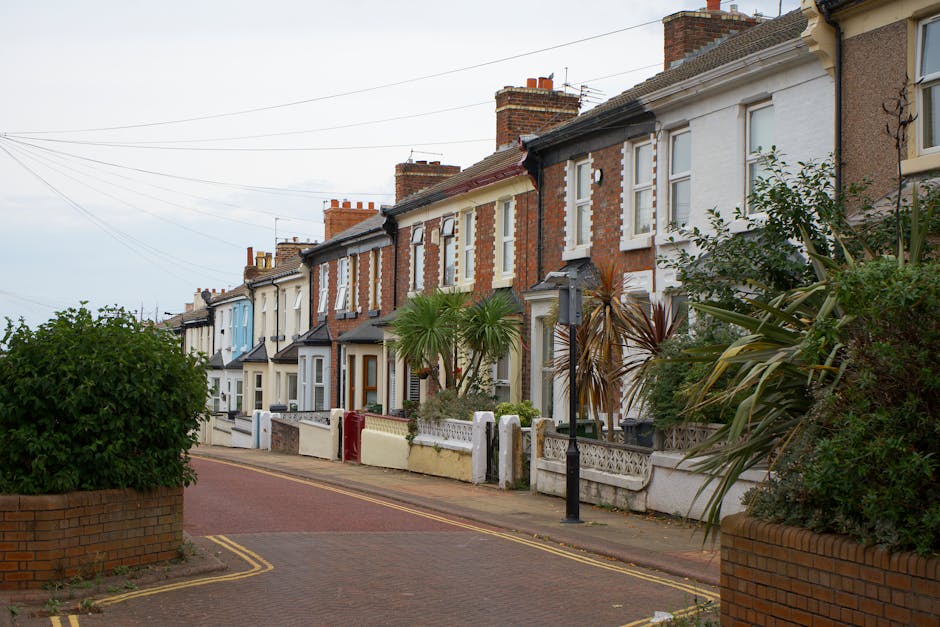
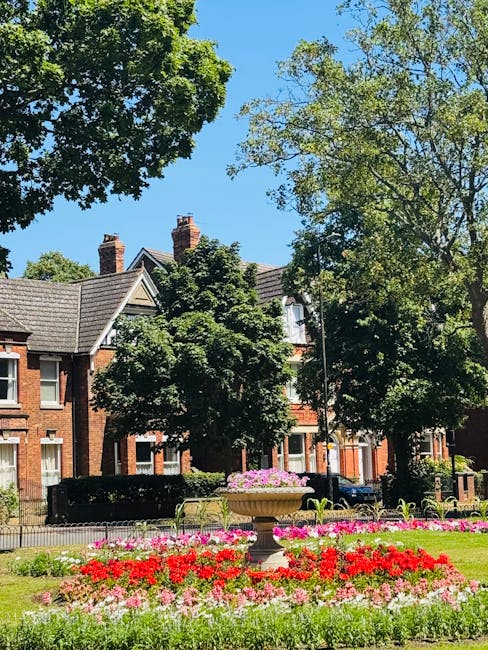
Gardeners for Romford Road E7 Front Gardens Top Tips
If your front garden on Romford Road in E7 feels a bit tired, messy, or simply hard to keep on top of, you are not alone. Front gardens take the brunt of everyday life: passing footfall, weather, bins, deliveries, shady corners, and the occasional "I'll deal with it next weekend" moment. This guide to Gardeners for Romford Road E7 front gardens top tips is designed to help you make practical improvements without overcomplicating things. Whether you want better kerb appeal, a tidier entrance, or a front space that is easier to maintain through the year, the ideas below will give you a clear way forward.
We will look at what matters most, how front garden work usually works in practice, the best methods for small and larger spaces, and where professional support can save time and prevent common mistakes. A neat front garden does not have to be fussy. Often, it is the simplest changes that make the biggest difference.
Table of Contents
- Why Gardeners for Romford Road E7 front gardens top tips Matters
- How Gardeners for Romford Road E7 front gardens top tips Works
- Key Benefits and Practical Advantages
- Who This Is For and When It Makes Sense
- Step-by-Step Guidance
- Expert Tips for Better Results
- Common Mistakes to Avoid
- Tools, Resources and Recommendations
- Law, Compliance, Standards, or Best Practice
- Options, Methods, or Comparison Table
- Case Study or Real-World Example
- Practical Checklist
- Conclusion
- Frequently Asked Questions
Why Gardeners for Romford Road E7 front gardens top tips Matters
Front gardens do more than look nice. They shape the first impression of your home, soften the street view, and often influence how easy it feels to come and go each day. On a busy road like Romford Road, the front garden can also be the part of the property that gathers the most grime, debris, and visual clutter. It is the bit everyone sees first. Fair or not, that matters.
The best front gardens work hard without demanding constant attention. That is really the point. If the layout is awkward, the planting is too thirsty, or the boundary edges keep collapsing into the pavement, the whole space starts to feel like a chore. A few smart decisions can make the area calmer, cleaner, and much easier to live with.
For many households, the front garden also has a practical job to do. It may need to frame a path, leave room for bins, accommodate parking, or provide enough structure that the space still looks finished in winter. In our experience, the strongest front garden plans are the ones that balance appearance and maintenance, not one at the expense of the other.
Key takeaway: A good front garden should look welcoming, be easy to maintain, and suit the way the property is actually used day to day. If it only looks good in a photo, it probably is not the right solution.
How Gardeners for Romford Road E7 front gardens top tips Works
When people search for front garden tips, they usually want one of three things: a quicker tidy-up, a better long-term design, or a professional finish that feels more polished than a DIY weekend job. The process is not especially complicated, but it does work best when you approach it in the right order.
First, assess what is already there. Look at the soil, drainage, sunlight, boundary edges, access, and the amount of time you actually have for upkeep. A front garden that gets strong afternoon sun will need different planting choices from one that sits under a tree and stays damp. Simple enough, but it gets overlooked all the time.
Next, decide what role the space should play. Do you want a very low-maintenance entrance, a greener planting scheme, a tidier lawn edge, or something more decorative? That decision drives everything else. It affects whether you need regular lawn care, shaping for hedges and boundary planting, or more structural work through landscape gardening.
After that comes the practical work: clearing clutter, pruning back overgrowth, improving edges, refreshing surfaces, and choosing plants that suit the site rather than fight it. If there are heavy overgrown sections, stubborn waste, or years of build-up, a tidy first pass with garden clearance can make the rest much easier.
Finally, maintenance keeps the result looking good. That might be light monthly upkeep, seasonal cutting back, or a regular service plan. If you want the front of the property to stay sharp rather than slowly drift back into chaos, ongoing garden maintenance is usually the difference-maker.
Key Benefits and Practical Advantages
A well-planned front garden gives you more than a nice view from the street. Here are the benefits that tend to matter most in real life:
- Better kerb appeal: A neat entrance instantly makes the property feel cared for.
- Less day-to-day fuss: Thoughtful planting and tidy edges reduce the jobs that keep coming back.
- Improved access: Clear paths and sensible borders make coming in with shopping, pushchairs, or bikes easier.
- More usable space: Even a small front garden can feel larger when it is not cluttered.
- Lower seasonal stress: Good structure means the garden still looks decent in winter, not just in spring.
- Better drainage and resilience: The right layout can help a garden cope better with wet weather and compacted soil.
There is another benefit people often underestimate: mental relief. You know that feeling when you get home and the front garden looks tidy before you even open the door? It sounds small, but it changes the tone of the whole place. A messy front space can nag at you. A good one takes the edge off the day.
For homes on busy streets, the front garden also acts like a visual buffer. It can soften hard paving, hide bin storage more gracefully, and stop the frontage from looking like it has been reduced to "just a path and a patch of gravel." No judgement. We have all seen that setup.
Who This Is For and When It Makes Sense
This advice is useful if you live in a terraced, semi-detached, or converted property where the front space is limited and every square metre matters. It also makes sense if your garden has become patchy, overgrown, or just a bit plain after years of being maintained in a hurry.
It is especially relevant if you are:
- preparing your home for sale or rental
- trying to reduce weekly maintenance
- dealing with untidy hedges, borders, or edges
- turning a weed-prone patch into a cleaner, more structured entrance
- looking for a small uplift without a full redesign
Sometimes people think they need a major landscaping project when they really need better shaping, pruning, and a cleaner layout. Truth be told, many front gardens simply need a tidy logic to them. A clear path, a defined border, one or two reliable plants, and less visual noise. That can be enough.
If the front space is very overgrown, has mature trees, or includes awkward slopes, the decision may lean more toward a wider service such as landscaping or even targeted tree care and removal where safety and light levels are becoming a problem. Not every front garden issue is solved with a pair of shears.
Step-by-Step Guidance
1. Start with a proper reset
Before you plant, redesign, or add anything decorative, clear away what is not helping. Remove broken pots, dead growth, old leaf litter, weeds that have settled in, and anything that makes the space feel crowded. If the front garden has been ignored for a while, beginning with a clearance gives you a blanker canvas and much better visibility.
2. Define the edges
Edges make the front garden feel intentional. Straighten borders, neaten the line between paving and planting, and decide where grass ends and planting begins. A crisp edge can do more for appearance than a dozen decorative additions. Slightly boring? Maybe. Effective? Absolutely.
3. Simplify the planting
For busy roads and limited time, choose plants that can cope with your conditions and do not need fussy treatment. A front garden does not need to be packed full. In fact, too many different plants can make a small entrance feel busy and slightly chaotic. A restrained palette usually looks more premium.
4. Think about sightlines
Keep key views open. You want visitors to see the door, the path, and the route in without obstruction. Tall plants near entrances can work, but only if they are controlled. The same goes for hedges, which may need regular shaping with hedge trimming so they do not swallow the frontage whole.
5. Build a maintenance rhythm
This is the bit people skip. A front garden is not a one-off job. Decide what gets checked weekly, monthly, and seasonally. For example, weekly litter pick-up and quick edging, monthly pruning checks, and a heavier tidy in spring or autumn. If that sounds obvious, good. It still gets forgotten.
6. Add one strong finish
Once the basics are right, add one feature that lifts the whole space. That could be a clean gravel area, a neat low hedge, a simple planting bowl, or a small hard-landscaped accent. If you are considering more built features, decking services can sometimes be relevant where the frontage includes a small raised sitting or transition area, though that depends entirely on the property layout.
Expert Tips for Better Results
Here is where the little details make the biggest difference.
- Choose fewer, better plants. Three well-placed plants often look smarter than ten unrelated ones.
- Use structure first. Hedges, edging, and paths should feel sorted before you think about decorative extras.
- Keep maintenance realistic. If you only have 20 minutes a week, design for 20 minutes, not two hours.
- Match the road exposure. Front gardens on busier roads collect dust and debris faster, so clean lines age better than delicate fussiness.
- Use height carefully. A little vertical interest helps; too much near the doorway can make the entry feel cramped.
- Think about winter. The garden should still look composed when flowering plants are bare. This one catches people out, every year.
If you want a front garden to feel neat all year, combine soft planting with a practical service schedule. A tidy mowing routine through lawn mowing, periodic maintenance, and seasonal checks will keep it from sliding into that half-managed look that many homes end up with by November.
A small human note here: most front gardens do not need perfection. They need consistency. That is the real secret. Slightly dull, perhaps, but true.
Common Mistakes to Avoid
Front gardens usually go wrong in very predictable ways. The good news is that they are easy to spot once you know what to look for.
- Overplanting. It seems generous at first, then the space becomes overcrowded and hard to move through.
- Ignoring boundaries. A hedge that is left unchecked can quickly dominate the frontage and block light.
- Using unsuitable materials. Some finishes look stylish for a month and then turn messy, slippery, or difficult to clean.
- Leaving maintenance to chance. If the garden only gets attention when it already looks rough, it will keep feeling like a problem.
- Forgetting drainage. Water pooling near paths or planting beds can create mud, smell, or long-term damage.
- Choosing "cheap now, expensive later" plants. Fast growers that constantly need cutting can eat time and money.
One of the biggest mistakes is trying to hide everything at once. People often add more and more to cover the mess, but that usually makes it worse. A front garden needs breathing room. If the space already feels tight, simplifying will nearly always beat adding more features.
Tools, Resources and Recommendations
You do not need a van full of equipment to keep a front garden in shape, but a few sensible tools help enormously.
| Task | Useful Tool or Approach | Why It Helps |
|---|---|---|
| Edging and tidying | Manual edging tool or compact trimmer | Keeps the frontage neat and well defined |
| Hedge and shrub control | Hand pruners, loppers, or scheduled trimming | Prevents plants from swallowing paths and windows |
| General clearing | Rake, bags, and a clear sorting system | Makes it easier to remove waste without making a second mess |
| Grass care | Regular mowing and border checks | Stops the area looking untidy between bigger jobs |
| Seasonal upkeep | Simple monthly checklist | Reduces the chance of bigger jobs piling up |
If you want to keep things organised, it can help to work from a service plan rather than ad hoc decisions. Many homeowners find it useful to look at the broader services overview first, then decide which tasks matter most for their front garden. That stops you overbuying help you do not need.
For people who prefer a one-off tidy before taking over the routine themselves, it is often worth comparing a clearance visit, a maintenance visit, and any more structural work on the same site visit. That way the front garden is not half-sorted with a vague promise to "finish it later." We have all been there, and later never comes.
Law, Compliance, Standards, or Best Practice
Front garden work is usually straightforward, but there are still a few best-practice points worth keeping in mind.
For example, if plants or branches overhang a pavement or create trip hazards, they should be cut back responsibly. Any hard landscaping should be planned so paths remain safe and sensible to use, especially in wet weather. If work involves ladders, cutting tools, heavy waste, or awkward access, safety matters more than speed.
Where trees are involved, it is sensible to be cautious. Larger trees can affect light, root spread, and safety in ways that are not obvious until a problem has grown. That is one reason people sometimes bring in a service like tree lopping and removal for assessment rather than trying to sort it casually on a Saturday morning.
Professional garden work should also be insured and carried out with appropriate attention to safety. If you are hiring help, it is reasonable to ask how the work is managed, how waste is handled, and what happens if the task has unexpected complications. Those are normal questions, not awkward ones. You are allowed to ask.
Where waste is removed, good practice is to separate recyclable material where possible and avoid dumping green waste into general rubbish unless necessary. A responsible approach to disposal is better for the property and the neighbourhood. For more on that approach, see recycling and sustainability and make sure the process feels tidy from start to finish.
Options, Methods, or Comparison Table
If you are deciding how to improve a front garden, it helps to compare the common approaches side by side. The right choice depends on time, budget, and how much change you actually want.
| Approach | Best For | Pros | Trade-offs |
|---|---|---|---|
| Simple tidy-up | Small improvements and fast kerb appeal | Quick, affordable, low disruption | Does not solve deeper layout problems |
| Regular maintenance | Keeping a decent front garden consistently neat | Prevents build-up, manageable over time | Needs commitment and a routine |
| Clearance plus replanting | Overgrown or neglected spaces | Big visual improvement, clearer structure | Takes more initial effort |
| Landscape redesign | Awkward, dated, or hard-to-use front gardens | Best long-term result, tailored layout | Usually the most involved option |
For many Romford Road homes, the sweet spot is somewhere between a tidy-up and a full redesign. Start with what will make the biggest visible difference, then layer in improvements that reduce upkeep. That way you get results without turning a front garden into a never-ending project.
Case Study or Real-World Example
Here is a realistic example. A homeowner with a modest front garden on a busy E7 street had a common problem: the space looked bigger in theory than it did in practice. In reality, it had a patchy lawn, two overgrown shrubs, weeds at the path edge, and a hedge that was starting to crowd the entrance. Nothing dramatic. Just enough to make the property feel a bit neglected.
The first step was not a design overhaul. It was a reset. The garden was cleared, the hedge was cut back, the borders were redefined, and the lawn area was simplified. After that, the planting was reduced to a few dependable plants rather than a crowded mix. The entrance immediately felt more open. Cleaner too. The kind of change you notice from the pavement before you even get to the door.
What made the difference was not expensive materials or a fancy feature. It was restraint. A tidier structure, less clutter, and a maintenance plan that could be kept up with. The owner later said the space felt "less apologetic," which, honestly, is a pretty good way to describe it.
Practical Checklist
Use this quick checklist before and after any front garden work.
- Check the front garden from the pavement as well as from the front door.
- Remove dead growth, weeds, and broken items first.
- Define borders and path edges clearly.
- Trim hedges and shrubs so they do not overwhelm the entrance.
- Keep plant choices simple and suitable for the site.
- Make sure the garden still looks balanced in winter.
- Choose maintenance that fits your real schedule.
- Clear access routes for bins, visitors, and deliveries.
- Review drainage or water pooling after rain.
- Plan the next tidy-up before the current one fades from memory.
That last one sounds slightly obvious, but it is where most people slip. Small, regular care beats the "once every few months when it gets embarrassing" method. Every time.
Conclusion
Front gardens on Romford Road in E7 need to work a bit harder than many people expect. They need to look welcoming, stay manageable, and cope with daily wear without becoming a chore. The best Gardeners for Romford Road E7 front gardens top tips are not really about doing more. They are about doing the right things in the right order: clear the clutter, define the space, choose simple planting, keep the edges sharp, and build a maintenance routine you can actually live with.
If you want the frontage to feel calmer, smarter, and easier to care for, start small and stay consistent. That is usually where the real improvement happens. Not overnight, but steadily. And once it clicks, the whole home feels more settled.
Get a free quote today and see how much you can save.
Frequently Asked Questions
What are the best front garden tips for homes on Romford Road E7?
The best tips are to keep the layout simple, use plants that suit the light and exposure, maintain clean edges, and avoid overcrowding the space. Front gardens on busier roads benefit from tidy structure and easy upkeep more than complicated designs.
How often should a front garden be maintained?
That depends on the planting and the amount of use, but many front gardens benefit from a light weekly tidy and a more thorough monthly check. Seasonal work is useful too, especially in spring and autumn when growth changes quickly.
Is a small front garden worth improving?
Yes, absolutely. Small front gardens often give the biggest visual return because they are seen every day. Even modest improvements to edging, pruning, and planting can make a home feel more cared for.
What is the easiest way to make a front garden look better fast?
Start by clearing clutter, trimming back overgrowth, and cleaning the edges. A neat boundary line and a clear path usually make an immediate difference, even before any planting changes are made.
Should I choose low-maintenance plants for a front garden?
Usually, yes. If you do not want a lot of ongoing work, low-maintenance plants are a sensible choice. The trick is to choose them based on your soil, shade, and exposure rather than just on looks.
Do front garden hedges need regular trimming?
They usually do. Hedges can quickly become untidy or intrusive if left too long, especially near paths, windows, or entrances. Regular trimming keeps them in proportion and helps the garden feel open.
When does a front garden need professional help?
If the space is overgrown, difficult to access, or needs more than a simple tidy, professional help makes sense. It is also useful when trees, large shrubs, or drainage issues are involved.
Can garden clearance help before redesigning a front garden?
Yes. Clearance is often the best first step because it removes the clutter that hides the real shape of the space. Once the garden is clear, it is much easier to see what should stay, what should go, and what needs redesigning.
What should I ask before booking garden work?
Ask what is included, how waste is handled, whether the work is insured, and whether the job will be a one-off visit or part of an ongoing plan. Those questions help you compare services properly without any awkwardness.
Is landscaping necessary for every front garden?
No. Many front gardens only need pruning, clearer edges, and better maintenance. Landscaping becomes more relevant when the layout is awkward, the materials are failing, or the space needs a more substantial redesign.
How can I keep a front garden neat in winter?
Choose plants with good structure, keep hedges and borders controlled, and avoid relying only on flowering displays. Winter neatness comes from shape, not just colour. That is the part people often miss.
What is the biggest mistake people make with front gardens?
Overcomplicating them. Too many plants, too many materials, and too little maintenance usually create more work, not less. A simple, well-kept front garden nearly always looks better than a crowded one.
For more guidance on keeping your garden in shape or arranging support that suits your property, you can review garden maintenance options, explore pricing and quotes, or learn more about the team on the about us page. When you are ready, contact us to talk through the next sensible step.
A good front garden does not shout. It simply feels right when you arrive home, and that is often enough.