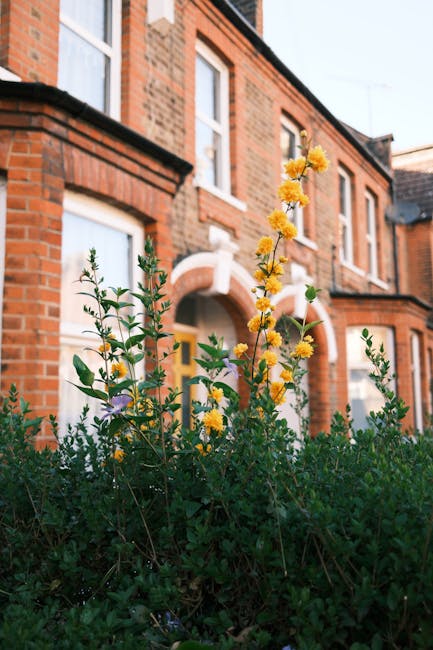
Forest Gate Station Garden Maintenance Guide for Terraced Homes
If you live near Forest Gate Station and look after a terraced-home garden, you probably know the drill: a narrow outdoor space, limited side access, neighbours close by, and not much room for clutter to build up before everything feels cramped. That is exactly why a Forest Gate Station garden maintenance guide for terraced homes needs to be practical, not vague. You need clear steps, realistic routines, and advice that works in a compact London setting.
This guide walks through how to keep a terraced garden tidy, healthy, and genuinely usable through the year. We will cover what matters most, what tends to go wrong, when to call in help, and how to make small spaces feel calmer and easier to manage. There is no magic trick, truth be told. But there is a smart routine that saves time, reduces stress, and keeps the garden from becoming one of those jobs you keep putting off.
Table of Contents
- Why This Guide Matters
- How Terraced Garden Maintenance Works
- Key Benefits and Practical Advantages
- Who This Is For and When It Makes Sense
- Step-by-Step Guidance
- Expert Tips for Better Results
- Common Mistakes to Avoid
- Tools, Resources and Recommendations
- Law, Compliance, Standards, or Best Practice
- Options, Methods, or Comparison Table
- Case Study or Real-World Example
- Practical Checklist
- Conclusion
- Frequently Asked Questions
Why This Guide Matters
Terraced homes near Forest Gate Station often come with gardens that are smaller than they first looked when you moved in. You might have a compact patio, a long thin strip, a tiny lawn, or a mix of hard landscaping and planting beds. On paper, that sounds manageable. In real life, these gardens can become fiddly because every square metre has to earn its keep.
Maintenance matters here for a few reasons. First, a neglected terraced garden can quickly look scruffy from the kitchen window, and that affects how the whole home feels. Second, narrow gardens collect leaves, weeds, moss, and general clutter faster than you expect. Third, the close proximity of neighbouring properties means overgrown hedges, encroaching branches, and poor drainage can create friction. Nobody wants that awkward fence-line conversation. Nobody.
There is also a practical side. A well-maintained garden helps with light, drainage, safety, and day-to-day enjoyment. If you use the space for a morning coffee, a barbecue, kids' play, or a bit of quiet after work, maintenance is what keeps it pleasant instead of stressful. That is the real point of this guide: not perfection, but steady control.
For homeowners who want a more structured approach, it can help to think of garden care as part of a wider routine of professional garden maintenance, especially where time is tight or the garden has become overgrown.
How Terraced Garden Maintenance Works
At its simplest, terraced garden maintenance is about repeating a few essential tasks often enough that nothing gets out of hand. In a larger suburban plot, you may have room to leave things for a while. In a terraced home, you usually do not. Small spaces show every change. A couple of wet weeks and suddenly there is moss on the paving, a flurry of weeds along the edges, and the lawn looks like it has given up.
The work tends to fall into four layers:
- Cleaning and clearing - removing leaves, plant debris, litter, and anything that blocks access.
- Cutting and shaping - mowing, trimming, and tidying hedges or shrubs before they sprawl.
- Plant health care - watering, feeding, pruning, and checking for pests or disease.
- Surface care - keeping patios, paths, decking, and borders safe, neat, and free-draining.
The best maintenance systems are seasonal, not random. You may do a lighter tidy every week or two, then a more involved clean-up monthly or quarterly. To be fair, the exact rhythm depends on what you have planted and how much time you can spare. A paved courtyard with two planters is a different beast from a long narrow garden with grass, shrubs, and a rear fence line full of climbers.
In busy households, many people combine a simple at-home routine with occasional help from a local team. If that sounds familiar, browsing the full services overview can help you match the right level of support to the condition of your garden.
Key Benefits and Practical Advantages
A terraced garden does not have to be large to be useful. With the right upkeep, even a modest space can feel calm, private, and well planned. The benefits go beyond appearance, although let's be honest, a tidy garden does make the whole house feel better.
1. Better use of small space. When paths are clear and planting is controlled, you can actually move around without brushing past overgrown stems or stepping around plant pots like you are in an obstacle course.
2. Less long-term repair work. Neglected greenery can damage fence panels, block drains, stain paving, or create damp patches where water has nowhere to go. Staying ahead of that is cheaper than fixing it later. Usually much cheaper.
3. Improved kerb-and-home impression. Terraced homes often have front and back gardens visible from the street or neighbours' windows. A neat space improves the way your home feels from the inside and outside.
4. Safer surfaces. Mossy slabs, loose edges, fallen branches, and hidden debris can all be trip hazards. Regular maintenance keeps the garden more usable in wet weather, which in London is, well, most of the year if you want to be dramatic about it.
5. Easier seasonal changes. If beds are already tidy and edging is controlled, spring planting or autumn cutback becomes much simpler. You are not starting from a jungle.
There is also a wellbeing angle. A small outdoor space that feels cared for often gets used more. People sit outside more. They open the doors more. They enjoy the garden rather than apologising for it. That matters, even if it sounds a bit soft around the edges.
Who This Is For and When It Makes Sense
This guide is for people living in terraced homes near Forest Gate Station who want straightforward garden upkeep without wasting time or money. It suits homeowners, landlords, long-term tenants with permission to maintain the space, and anyone preparing a property for sale or rental. It also helps if your garden is shared in feel, even if it is formally private, because narrow layouts tend to collect mess quickly.
You may especially need a better maintenance routine if:
- the garden is long and narrow, with awkward corners
- you have limited storage for tools and materials
- the lawn or border grows faster than you can manage
- you have overhanging trees or hedges from adjoining plots
- the paving gets slippery after rain
- you do not have time for weekly full garden care
It also makes sense if the garden has slipped from maintenance into rescue mode. That is very common. One month you miss a cut, then another, and suddenly the back fence disappears behind foliage and the shed door barely opens. Happens all the time.
If the problem is more than a tidy-up, or the space needs a reset before maintenance can begin properly, a garden clearance service may be the sensible first step before settling into a routine.
Step-by-Step Guidance
The easiest way to maintain a terraced garden is to follow a repeatable order. Working randomly usually means you miss something important, then have to go back and redo it. Not ideal.
Step 1: Walk the garden and spot the urgent issues
Start by looking for obvious problems: weeds, broken pots, blocked drains, fallen leaves, snapped stems, mossy paving, and branches rubbing against fences. This five-minute scan often tells you what needs attention now and what can wait. In small gardens, the urgent stuff is usually visible straight away.
Step 2: Clear the surface first
Remove debris from paths, patios, steps, and any area used daily. This matters because once the surface is clear, everything else becomes easier. You can see where you are walking, where water is sitting, and where weeds are coming from. A clean base always helps.
Step 3: Tackle weeds and edge growth
Weeds in terraced gardens tend to appear along walls, fence lines, paving cracks, and planter edges. Pull them while the soil is slightly damp if possible. If they are very established, you may need to loosen them first rather than yanking and leaving roots behind. Neat edges make a surprising difference, especially in a tight garden where every line is visible.
Step 4: Cut back overgrowth
Trim back shrubs, climbers, and hedge lines before they take over the space. Keep an eye on what is spreading across paths or into neighbouring gardens. If a hedge is too high or too wide for safe DIY trimming, it may be better handled as part of hedge trimming work rather than a rushed weekend job.
Step 5: Mow or manage the lawn, if you have one
Not every terraced home has a lawn, but if yours does, consistency matters more than drama. Keep the cut regular and avoid taking off too much at once, especially in dry periods or when the grass is stressed. A tidy cut makes the whole garden feel more ordered. If the lawn is uneven, patchy, or simply getting away from you, lawn mowing support can stop the cycle of catch-up work.
Step 6: Refresh borders, containers, and planting areas
Check whether plants are overcrowded, rootbound, or leaning into the wrong space. In terraced gardens, smaller is often better. A few healthy plants usually look better than too many struggling ones. Trim faded growth, deadhead where needed, and replace anything that is finished for the season. You do not need a huge display. Just a tidy one.
Step 7: Clean hard landscaping
Paving, decking, stepping stones, and gravel all need different care. Sweep regularly, remove algae or moss carefully, and wash surfaces before they become slick. If the garden includes a decked area, keeping it clear of leaf build-up and standing water is especially important. It is one of those jobs that seems minor until somebody slips.
Step 8: Check drainage and water flow
After heavy rain, look for puddles, blocked channels, or areas where water pools against walls. Terraced gardens often have limited drainage flexibility, so small problems can show up quickly. If an area stays wet for too long, the soil and paving can both suffer.
Step 9: Finish with a quick reset
Put tools away, stack pots neatly, and leave the garden with a clear working surface. That final reset sounds minor, but it changes how likely you are to keep up with the next round. A tidy finish invites future tidy habits. Slightly annoyingly true, that.
Expert Tips for Better Results
Little adjustments make a big difference in terraced gardens. Most of the time, the secret is not doing more. It is doing the right things at the right pace.
- Keep pruning and trimming light but frequent. Small cuts are easier on plants and less exhausting for you.
- Use pots strategically. In compact spaces, pots can create structure, but too many make maintenance awkward. Aim for a few strong focal points rather than a cluttered collection.
- Choose plants that suit the space. Faster-growing climbers and thirsty shrubs can become a burden if you want a low-maintenance routine.
- Mulch exposed soil. A decent layer of mulch helps reduce weeds and retain moisture. It also makes borders look finished rather than bare and dusty.
- Group jobs together. If you are already outside, clean, trim, and water in one session. Spreading tiny tasks across the week sounds lovely in theory, but in practice it often means you never finish anything.
- Watch the fences and walls. In terraced homes, shared boundaries matter. Keep growth away from weak timber and check for damage after windy weather.
One useful habit is to think in zones: entrance, main seating area, planting strip, rear boundary, and storage corner. When each zone has a purpose, the garden feels easier to manage and less like a random collection of stuff. Simple, but effective.
Common Mistakes to Avoid
Terraced gardens punish neglect a bit faster than larger plots, but they also punish overenthusiasm. Yes, really. Both extremes can create extra work.
Leaving trimming too long. Once hedges and climbers get leggy, the cutback becomes heavier and the plant can look stripped afterwards. Regular shaping is kinder.
Cutting too much at once. This is a classic. People look at an overgrown shrub and think one major cut will sort it. Sometimes that is needed, but often it stresses the plant and makes the garden look bare. Better to phase the work where possible.
Ignoring hidden corners. Narrow side strips, behind bins, around sheds, and along fence bottoms are where problems start. They are also the places people forget. Convenient, isn't it?
Using the wrong fix for the wrong surface. Paving, soil, decking, and gravel all need different maintenance approaches. A one-size-fits-all clean-up can cause damage or just move dirt around.
Letting waste pile up. Green waste, broken pots, and old compost bags make a small garden look messier much faster than a larger one. Clear them as you go.
Forgetting neighbour impact. In terraced streets, overhanging growth, leaf drop, and boundary spill can become a shared issue. A quick trim now can prevent awkward conversations later.
Tools, Resources and Recommendations
You do not need a shed full of specialist kit to keep a terraced garden in good shape. In many cases, a compact but reliable set of tools is enough. The trick is choosing tools that suit a narrow outdoor space and are easy to store.
| Task | Useful Tool or Approach | Why It Helps in a Terraced Garden |
|---|---|---|
| Weeding | Hand weeder, trowel, gloves | Lets you work accurately in tight borders and paving gaps |
| Leaf clearing | Rake or lightweight blower | Quickly clears narrow paths and corners without dragging debris around |
| Mowing | Compact mower or regular mowing service | Manoeuvres more easily in restricted access gardens |
| Hedge and shrub control | Hand shears or small trimmer | Better control around fences, walls, and close planting |
| Surface care | Stiff broom, pressure-sensitive cleaning method, bucket | Keeps patios and paths tidy without over-wetting or damaging surfaces |
| Waste handling | Garden sacks, collection tubs, composting area if available | Makes small clear-ups quicker and reduces mess buildup |
If you are deciding whether to do the work yourself or bring someone in, look at time, access, waste volume, and how much of the garden needs a reset rather than a tidy. A simple maintenance visit is one thing. Rebuilding a neglected space is another.
For gardeners who care about waste handling and a cleaner approach overall, recycling and sustainability practices are worth considering, especially when clearing cuttings, soil, and packaging from plant replacements.
Law, Compliance, Standards, or Best Practice
Garden maintenance in a terraced setting is mostly about good housekeeping and common-sense safety, but a few broader UK best-practice points are worth keeping in mind. If branches or roots appear to affect shared boundaries, drainage, or neighbouring property, it is better to pause and handle it carefully rather than assume it is purely your call. That sort of thing can get messy quickly.
For boundary hedges, trees, and climbing plants, the main principle is to avoid damage and keep communication clear. In practice, that means checking what sits on your side, what may cross a boundary, and what needs a careful trim rather than a hard cut. If a tree looks unstable, diseased, or too large for safe DIY work, professional assessment is the sensible route. The same goes for anything near power lines, walls, or tight access points.
Safety matters as well. Wet paving, unstable ladders, sharp tools, and awkward lifting are all normal garden risks. A good maintenance routine should reduce risk, not add to it. If a task feels awkward or beyond your equipment, it usually is. No hero points for a wobbly ladder and a sore back.
Where outdoor features include timber structures or decked surfaces, keep an eye on slips, rot, loose fixings, and trapped moisture. A basic visual inspection during routine maintenance is often enough to catch problems early. If you are unsure whether a job involves a boundary issue, a safety issue, or both, the cautious route is usually the best one.
When using a service provider, it is sensible to check how they handle safety, insurance, and payment processes. Pages such as insurance and safety and payment and security can help set expectations before any work begins.
Options, Methods, or Comparison Table
There is more than one way to keep a terraced garden in shape. The right method depends on time, budget, confidence, and how much the garden has slipped. Here is a plain comparison that may help.
| Approach | Best For | Strengths | Limitations |
|---|---|---|---|
| DIY weekly upkeep | Small, tidy gardens with light planting | Low cost, immediate control, flexible timing | Needs consistency and storage space for tools |
| Monthly professional maintenance | Busy households or gardens that just need regular control | Reliable finish, saves time, keeps growth manageable | Less hands-on, may not suit people who want full control |
| Seasonal tidy-ups only | Low-use gardens or owners who travel often | Useful for reset points and major seasonal changes | Small issues can build up between visits |
| Clearance then maintenance | Overgrown or inherited gardens | Resets the space so routine care becomes realistic | More upfront effort and usually a bigger initial job |
For many terraced homes, the best answer is a blend: a simple DIY routine plus occasional help for heavier tasks. That tends to keep the space under control without turning weekends into a permanent garden marathon.
Case Study or Real-World Example
Imagine a terraced home a short walk from Forest Gate Station with a narrow rear garden that had slowly become hard to use. The owners were not dealing with a dramatic jungle, just the usual mix of things that creep up on people: weeds along the fence, a patchy lawn, a few plants leaning into the path, and leaves collecting behind a small shed. Nothing outrageous. But enough to make the space feel tired every time they opened the back door.
The first step was to clear the garden back to a workable base. That meant removing dead growth, tidying the edges, cutting back an overgrown shrub, and sweeping the paving properly. After that, the lawn was brought back under control with a regular cut schedule, and the borders were simplified so there was less to maintain each week. A couple of climbing plants were left in place because they added height without eating the whole garden, which was a good call, if we're honest.
Within a few weeks, the space felt larger. Not physically larger, of course, but visually calmer and much easier to use. The family could sit outside without seeing a list of chores every time they looked around. That is the real payoff: not just tidiness, but a garden that feels like part of the home again.
If your own space needs that kind of reset, you may find it useful to explore landscape gardening support or broader landscaping ideas before settling into long-term maintenance.
Practical Checklist
Use this checklist as a simple monthly or fortnightly reset for a terraced garden near Forest Gate Station.
- Remove leaves, litter, and loose debris from paths and patios
- Check for weeds in borders, paving joints, and wall edges
- Trim back anything blocking access or light
- Mow the lawn if needed, or inspect for patchy growth
- Water pots and containers where the soil has dried out
- Deadhead flowers and remove spent stems
- Inspect fencing, trellis, and boundary planting for damage
- Look for standing water, moss, or slippery surfaces
- Clear tools and clutter back into storage
- Set one priority task for the next visit so the garden stays on track
Quick rule of thumb: if a job takes less than ten minutes, do it now. If it needs ladders, heavy lifting, or more than one person, pause and think about the safest route first.
Get a free quote today and see how much you can save.
Conclusion
A good terraced garden does not depend on size. It depends on rhythm, attention, and a maintenance plan that fits real life. Near Forest Gate Station, where space is often tight and access can be awkward, the smartest approach is usually simple: clear the mess early, trim regularly, keep surfaces safe, and avoid letting small problems stack up.
If you keep that mindset, your garden stops being a worry and starts becoming useful again. That may sound modest, but honestly, that is the win. A space that is easy to maintain is a space you will actually enjoy.
And that, in a busy London home, is worth holding onto.
Frequently Asked Questions
How often should I maintain a terraced garden near Forest Gate Station?
For most terraced gardens, light maintenance every one to two weeks works well, with a deeper tidy-up monthly or seasonally. If growth is fast or the garden is shaded and damp, you may need to check it more often.
What is the best first step for an overgrown terraced garden?
Start with clearance. Remove debris, cut back obvious overgrowth, and create access to the main areas first. Once the space is workable, proper maintenance becomes much easier and less frustrating.
Can I keep a lawn in a small terraced garden?
Yes, but it needs consistent care and a realistic approach. Small lawns can look great if they are cut regularly and not overused in wet conditions. If the space is very tight, you may prefer more planting or hard landscaping.
What should I do about hedges and climbers that spill into the path?
Trim them back before they become a nuisance. In terraced homes, even a little overhang can make the garden feel narrow and untidy. If the hedge is large or difficult to reach safely, professional hedge trimming is usually the better option.
Are paved terraces easier to maintain than lawns?
Usually yes, because there is less growth to manage. But paving still needs sweeping, weed control, and occasional cleaning to avoid algae, dirt build-up, and slippery patches.
How do I stop weeds coming back so quickly?
Pull weeds out at the root where possible, keep borders mulched, and avoid leaving bare soil exposed for long periods. Regular small checks are far more effective than occasional big battles with the same weeds.
When should I call in professional help?
If the garden has become overgrown, includes high hedges, has awkward access, or needs clearing before routine maintenance can start, it is often worth getting help. The same applies if you are short on time or want a cleaner, safer finish.
What maintenance tasks are most important in winter?
In winter, focus on leaf clearing, drainage checks, surface safety, and protecting plants from wind and frost. It is also a good time to remove damaged growth and prepare for spring.
Do I need different tools for a small terraced garden?
Often, yes. Compact tools are easier to store and use in narrow spaces. Small shears, a lightweight mower, hand weeding tools, and a good broom are usually more practical than bulky equipment.
How can I make a small garden feel less cluttered?
Use fewer but better-defined plants, keep storage neat, and make sure every pot, border, and path has a clear purpose. Simplicity tends to work best in terraced gardens, especially when you want the space to feel larger.
What if I want maintenance and a redesign later?
That is a sensible path. First get the garden under control, then think about layout changes, planting structure, or new features. It is much easier to redesign a tidy garden than an overgrown one.
Is regular maintenance really worth it for a small garden?
Absolutely. Small gardens can turn messy quickly, which means regular care saves time in the long run. More importantly, it keeps the space enjoyable instead of becoming another weekend chore hanging over you.