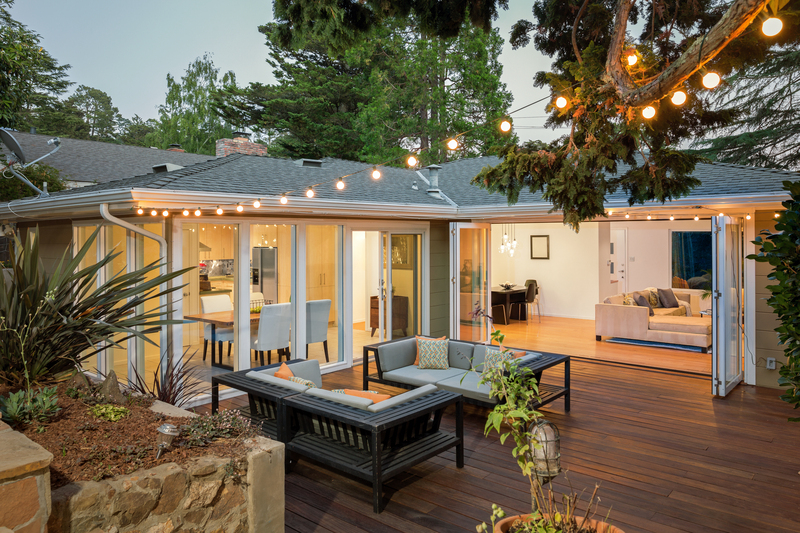
Enhance Your Yard's Seclusion with Trendy Tall-Potted Plant Solutions

Privacy you can feel. That's the promise when you Enhance Your Yard's Seclusion with Trendy Tall-Potted Plant Solutions. Whether you're shielding a city terrace from shoulder-to-shoulder neighbours, softening a new-build fence, or turning a windy balcony into a calm retreat, tall container plantings deliver instant, elegant screening--without the faff of planning permission in most cases. And truth be told, they just look brilliant.
Imagine a line of sleek, charcoal planters brimming with clumping bamboo and architectural evergreens, leaves whispering in the breeze and a faint green scent on a warm evening. You sit down with a cup of tea. The world goes a bit quieter. Clean, clear, calm. That's the goal.
In this long-form, expert guide, we'll show you exactly how to use tall containers and modern planters to create privacy, reduce noise a touch, and elevate your garden style--from plant selection and spacing to UK regulations, irrigation, and real-world examples. We'll keep it practical and honest. And we'll share what actually works in British conditions, from Aberdeen winds to Bristol suntraps.
Table of Contents
- Why This Topic Matters
- Key Benefits
- Step-by-Step Guidance
- Expert Tips
- Common Mistakes to Avoid
- Case Study or Real-World Example
- Tools, Resources & Recommendations
- Law, Compliance or Industry Standards (UK-focused)
- Checklist
- Conclusion with CTA
- FAQ
Why This Topic Matters
Modern homes often mean modest gardens and close neighbours. Fences help, but they're not always enough--especially on sloped sites or upstairs terraces. That's where you can Enhance Your Yard's Seclusion with Trendy Tall-Potted Plant Solutions. These living screens add height where it counts, soften boundaries, reduce overlooking sightlines, and bring life back to hardscapes. Plus, unlike permanent structures, pots are movable. Adaptable. Human.
From a sustainability standpoint, containerised privacy planting can also be more flexible than ripping out and rebuilding. You can augment existing boundaries, trial plant species, and iterate the design without heavy construction. For renters or listed properties, this adaptability is gold.
And there's the mood-lifting effect. Studies from the RHS and various environmental psychology papers suggest greenery improves perceived wellbeing and reduces stress. You'll notice it. One of our clients in North London once said, "The plants didn't silence the street--they dulled it. Enough for my shoulders to drop." That's the sweet spot.
To be fair, plants won't replace a solid acoustic fence, and we'll be honest about that. But when chosen and arranged properly, tall planters provide meaningful privacy and a welcome sense of seclusion, fast.
Key Benefits
If you're weighing up whether to Enhance Your Yard's Seclusion with Trendy Tall-Potted Plant Solutions, here's what you stand to gain:
- Instant vertical screening: Pots add immediate height and presence. No need to wait years for hedges to mature.
- Movable privacy: Shift planters seasonally or before a party. You control the viewlines.
- Design flexibility: Mix textures--feathery grasses, glossy evergreens, and structural bamboos. Change them over as your taste (or light levels) change.
- Improved microclimate: Plants can slow wind, add shade, cool hard surfaces, and slightly improve the acoustic feel--especially with dense, varied foliage.
- Apartment and balcony friendly: When permanent changes aren't possible, tall containers give privacy without building works.
- Seasonal interest: Use evergreen backbones (bay, holly, Thuja) with seasonal highlights (Miscanthus plumes, Photinia flushes). Your garden looks alive all year.
- Low-commitment testing: Trial species in containers before committing to in-ground plants. If a plant fails in your microclimate, you haven't ruined a bed.
- Maintenance at comfortable height: Weeding, watering, and pruning are easier at waist level. Your back will thank you.
- Compliance-friendly: In the UK, movable planters generally don't trigger the same planning considerations as raising fixed fence heights (more in the compliance section below).
Small human moment: the first time you slide a tall planter into place and the neighbour's kitchen window disappears from view... it's oddly satisfying. Like closing a door gently.
Step-by-Step Guidance
Here's the practical, no-nonsense path to Enhance Your Yard's Seclusion with Trendy Tall-Potted Plant Solutions. We'll break it down from site assessment to planting, irrigation, and maintenance.
1) Assess Your Site
- Sunlight: Observe light for a few days. Full sun (6+ hours), partial shade (3-6), or shade (<3)? Don't guess--make a quick note morning, midday, and late afternoon.
- Wind: Balconies and roof terraces can be punishing. Wind-tolerant plants and weighted planters are essential on upper floors.
- Overlooking points: Stand where you sit and list key sightlines. Upstairs windows, side gates, raised decks. Privacy is about angles as much as height.
- Access & structure: Measure doors, lifts, and stairs for planter delivery. For balconies, check allowable loads via building management--safety first.
Little story: It was raining hard outside that day, and we still did the light survey. Umbrella in one hand, phone timer in the other. Worth it--saved buying the wrong plants.
2) Choose the Right Planters
For tall screens, the container is just as important as the plant. It keeps roots healthy and the unit stable.
- Size: As a rule of thumb, budget 10-15 litres of compost per foot of plant height. For 2-3m screening, planters of 40-90L are typical. Bamboo and large shrubs may want 60-150L for long-term health.
- Material:
- Fibreglass/GRP: Light but strong. Great for balconies. Frost resistant.
- High-density resin: Durable, often insulated. UV-stable options are best.
- Metal (powder-coated steel, corten): Stylish, heavy, excellent stability. Watch heat on south-facing sites.
- Timber: Warm look. Choose rot-resistant species or lined planters; ensure drainage and ventilation gaps.
- Shape: Trough planters (80-120cm long) create continuous screening. Large cylinders or squares offer punctuation points.
- Drainage: Absolutely non-negotiable. Drain holes, feet or spacers to lift the pot, and a free-draining substrate. Poor drainage = root rot.
- Stability: On windy sites, opt for low, wide planters, add internal ballast, or use anchor brackets (without penetrating waterproof membranes).
3) Select Tall, Container-Friendly Plants
To Enhance Your Yard's Seclusion with Trendy Tall-Potted Plant Solutions, pick species that stay elegant under pruning, tolerate containers, and match your light and wind conditions.
- Clumping bamboos (e.g., Fargesia robusta, F. rufa, F. 'Jiuzhaigou')
- Why: Fast, upright, lush; non-invasive clumpers are ideal for containers.
- Pot: 60-120L with deep root run. High water needs in summer.
- Spacing: 60-90cm centres for a dense line.
- Evergreen screening shrubs
- Photinia x fraseri 'Red Robin': New red growth pops; responds to clipping.
- Prunus laurocerasus 'Novita' or 'Otto Luyken'
- Griselinia littoralis: Salt-tolerant, great for coastal UK.
- Viburnum tinus: Winter flowers, shade tolerant.
- Columnar conifers and evergreens
- Thuja occidentalis 'Smaragd': Slim, tidy, good in troughs.
- Taxus baccata (yew): Classic, clips beautifully; ensure drainage.
- Prunus lusitanica (Portuguese laurel): Luxe look, containers ok.
- Architectural accents
- Trachycarpus fortunei (windmill palm): Hardy UK palm; drama and height.
- Cordyline australis: Spiky silhouette; protect in harsh winters up north.
- Laurus nobilis (bay tree): Edible, fragrant, easily shaped.
- Tall grasses
- Miscanthus sinensis cultivars: Plumes and movement; cut back late winter.
- Calamagrostis x acutiflora 'Karl Foerster': Upright, elegant, narrow footprint.
Note: Avoid running bamboos (Phyllostachys) unless fully contained; they're vigorous and best left to large, sealed planters with careful monitoring.
4) Soil Mix & Planting
- Substrate: Use a high-quality peat-free container mix with added grit/perlite for drainage. Aim for a balance: water retentive but airy.
- Layering: A thin drainage layer of coarse gravel or hydroponic clay balls can help, but don't overdo it--good mix and holes are more important.
- Fertiliser: Blend in a slow-release fertiliser (5-6 month or 12-14 month). Top-dress annually with compost.
- Planting depth: Keep the root flare at or just above the finished surface. Don't bury stems.
- Mulch: 3-5cm organic mulch reduces evaporation and keeps things tidy.
Ever tried clearing a room and found yourself keeping everything? Planting is similar. Resist overcrowding day one; leave room for growth.
5) Spacing for Privacy
- Bamboo: 60-90cm centres.
- Shrubs (Photinia/Laurel/Griselinia): 80-120cm centres depending on cultivar.
- Conifers (Thuja/Taxus): 50-80cm for a tight screen; check variety width.
- Grasses: 45-60cm; use in clusters for density.
If you need a truly solid screen now, double-stagger planters (a front and back line) where space permits. You create a visual weave that blocks more angles.
6) Watering and Irrigation
- Drip irrigation: Set-and-forget is your friend. 2 L/hr emitters per plant, 30-60 minutes 2-4 times weekly in summer; adjust to weather.
- Manual watering: Use a long-spout can or lightweight hose with a shut-off. Water deeply, not just the surface.
- Moisture meters: Cheap, effective, prevents over/underwatering. Stick it in and learn your pots' rhythm.
Pro tip: In heatwaves, containers dry faster than beds. A quick morning check--leaf sheen, soil feel--can save a plant. You'll get a feel for it, promise.
7) Pruning and Care
- Bamboo: Thin older canes yearly; cut to height as needed. Feed in spring.
- Photinia: Light trim after flush for bushiness and colour.
- Thuja/Taxus: Clip to maintain narrow columns; avoid cutting back into brown, old wood on Thuja.
- Grasses: Leave over winter for movement, cut back late Feb-Mar.
- Feeding: Top-dress compost in spring; replace a portion of compost every 2-3 years.
8) Balancing Privacy and Light
It's tempting to create a wall. But too dense a screen can feel oppressive and rob your garden of sun. Use layered transparency--grasses in front, columnar evergreens behind. Let some light filter. Your space will feel larger, softer, more human.
Expert Tips
- Use mixed heights: Build a canopy (2-3m), mid-storey (1-1.5m), and understory (0.4-0.8m). It looks lush and screens from multiple angles.
- Colour discipline: Choose 1-2 planter colours. Too many and the eye gets noisy. Graphite and clay, or olive and black--calm combinations.
- Sound softening: Plants alone won't eliminate noise, but layered foliage plus soft surfaces (outdoor rugs, timber) can reduce perceived harshness. Evidence suggests vegetative barriers offer modest reductions--think low single digits in dB--but the psychological effect is real.
- Wind strategy: On exposed sites, choose flexible stems (Calamagrostis, Miscanthus) and clumping bamboo; avoid top-heavy trees without stakes or supports.
- Fire-wise on balconies: Choose non-combustible planters (metal, ceramic) and keep dried material cleared. It's common sense and aligns with UK fire safety guidance for high-rise balconies.
- Weight management: Lightweight GRP planters, expanded clay aggregate at the base, and careful plant selection keep loads safe. Always verify balcony limits with management.
- Seasonal swaps: Slot in tall annuals (sunflowers, Nicotiana sylvestris) or winter stems (Cornus) to refresh the look without changing the evergreen core.
- Lighting: Low-glare uplights behind foliage create depth at night while preserving privacy. Warm white, shielded fittings are kinder to wildlife and neighbours.
Yeah, we've all been there--overbuying plants because everything looks good at the nursery. Edit ruthlessly. Your future self will thank you.
Common Mistakes to Avoid
- Underpotting: Tiny pots, tall plants--recipe for stress, topple, and constant watering. Go bigger.
- Poor drainage: Waterlogging kills roots. Ensure holes, feet, and a breathable substrate.
- Ignoring wind: Tall plants on high balconies need weight, anchoring, or wind-tolerant species. Otherwise, it's dominoes in a gale.
- Overcrowding: Instant density can backfire. Plants compete, get leggy, and suffer. Plan spacing for two years' growth.
- No irrigation: Manually watering a dozen big pots on a hot week gets old fast. A simple drip kit pays for itself in saved plants.
- Wrong plant for light: Shade-loving Viburnum in full sun will sulk; sun-loving Cordyline in deep shade will stretch and flop.
- Forgetting access: Can you still open the shed? Walk past the BBQ? Keep circulation routes comfortable.
- Neglecting maintenance: Even "low maintenance" pots need seasonal pruning, feeding, and checks. Put reminders in your phone--seriously.
Ever rushed a project and realised you'd blocked your own gate? Happens. Deep breath, rearrange, carry on.
Case Study or Real-World Example
Location: East Dulwich, London SE22
Space: 5m x 3m patio garden overlooked from two sides
Brief: Create elegant screening from neighbouring first-floor windows without darkening the patio.
Design: We chose three 100cm fibreglass troughs in matte charcoal along the back boundary. Each trough took a trio of plants: two clumping bamboos (Fargesia robusta) flanking one columnar conifer (Thuja 'Smaragd') to give evergreen backbone. In front, we placed two 50cm planters with Miscanthus 'Morning Light' for movement and a softer shoulder-height veil.
Irrigation: A micro-drip system off the outdoor tap with a smart timer. 30 minutes every other morning in summer, based on emitter flow rates and container size. Manual top-ups during heat spikes.
Outcome: Immediate sense of enclosure. The upstairs kitchen window that once dominated the view now peeks through a gentle lattice of green. On a breezy evening, the bamboo leaves murmur--a small sound, but you feel the calm. The owners texted after six weeks: "We eat outside more now. It just feels private."
Cost and timeline: Install completed in one day, roughly ?1,450 including planters, plants, compost, irrigation, and labour. Not cheap, but infinitely cheaper and easier than major works--and movable if they move house. To be fair, the smile factor was priceless.
Tools, Resources & Recommendations
- Planters: Choose reputable GRP or powder-coated steel brands with warranties; check UV and frost ratings.
- Growing media: Peat-free professional mixes with controlled-release fertiliser and added perlite/pumice for drainage.
- Irrigation: 13mm main line, 4mm micro line, pressure reducer, backflow preventer, 2 L/hr emitters, battery or smart tap timer.
- Tools: Trolley/dolly, hand trowel, pruning saw, secateurs, moisture meter, spirit level (for planters), heavy-duty gloves.
- Reference bodies:
- RHS (Royal Horticultural Society) plant profiles and care calendars.
- BS 8545:2014 (establishment of trees in the landscape) for good practice principles.
- Planning Portal (England/Wales) for boundary heights and household rules.
- NFCC (National Fire Chiefs Council) guidance on balcony safety for high-rises.
Quick aside: You could almost smell the cardboard dust when unboxing new planters in a small flat hallway--measure first to avoid the awkward pivot round the banister.
Law, Compliance or Industry Standards (UK-focused)
Planning and boundary heights: In England and Wales, increasing a boundary fence or wall above 2 metres typically requires planning permission (in front gardens, limits are lower around 1 metre adjacent to highways). Movable planters used for screening are generally not classed as permanent boundary structures, but this can be context-dependent. If your screening effectively functions as a fixed extension to a boundary and creates amenity impacts, local planners may have views. When in doubt, consult your Local Planning Authority (LPA).
Listed buildings and conservation areas: Extra sensitivity applies. While planters are non-permanent, any associated works (fixings to fabric, visible changes) may need consent. Check with the Conservation Officer early.
Party Wall etc. Act 1996: Typically not triggered by placing planters, but if you propose fixings into shared structures or structural alterations near the boundary, seek advice.
Water and drainage: Avoid discharging planter run-off onto public pavements or neighbouring properties. Keep drainage within your boundary and protect waterproof membranes on terraces.
Safety and fire on balconies: For multi-residential buildings, management companies often follow NFCC guidance: minimise combustible loads, maintain clear egress, avoid barbecues, and keep dried plant matter in check. The Building (Amendment) Regulations 2018 increased restrictions on combustible materials in external walls for high-rise buildings; while planters are furnishings, good practice is to choose non-combustible containers and keep exits clear.
Invasive species compliance: Avoid species listed under the Wildlife and Countryside Act (e.g., Japanese knotweed). Choose clumping bamboo species and manage responsibly to prevent escape.
Standards: While BS 8545:2014 focuses on trees in landscape (not specifically containers), its principles--right plant, right place; adequate rooting volume; aftercare--are directly relevant. Following RHS best practice for container culture further supports plant welfare and longevity.
Bottom line: planters are usually straightforward, but respect neighbours, protect building fabric, and double-check specifics if you're in a sensitive area.
Checklist
- Map sun, wind, and overlooking angles for 2-3 days.
- Confirm access and structural loads (especially balconies).
- Select planters: size (40-120L typical), material, drainage, stability.
- Choose plants by light/wind: clumping bamboo, Photinia, Thuja, yew, Miscanthus, Calamagrostis, bay.
- Calculate spacing: 60-90cm (bamboo), 80-120cm (shrubs), 50-80cm (conifers).
- Prepare peat-free mix with added drainage and slow-release fertiliser.
- Install drip irrigation or set a reliable watering routine.
- Mulch, stake if needed, and add planter feet for drainage.
- Set pruning schedule: light trims post-flush, annual thinning.
- Review local guidance if near boundaries, in conservation areas, or on high-rise balconies.
It doesn't have to be perfect. Just consistent. You'll see results faster than you think.
Conclusion with CTA
Privacy done well is about more than hiding. It's about shaping how your space feels--quieter, greener, a touch secluded. When you Enhance Your Yard's Seclusion with Trendy Tall-Potted Plant Solutions, you're investing in a practical, movable, and beautiful answer to real-life garden challenges. No demolition, no drawn-out permissions, no cold walls. Just living screens that breathe with the seasons.
Start small with a pair of tall troughs and clumping bamboo. Or go all-in with a layered scheme--evergreen columns, airy grasses, and fragrant bay. Either way, you'll create a place you actually want to linger. On a Tuesday evening. With rain on the fence and steam rising from your mug.
Get a free quote today and see how much you can save.
And if you're not ready for quotes yet, that's fine. Walk your garden at dusk, listen for the quiet spots, and imagine where a line of green could change everything. Little by little, it will.
FAQ
What are the best tall plants for privacy in UK containers?
For reliable, stylish privacy: clumping bamboo (Fargesia spp.), Photinia 'Red Robin', Griselinia littoralis (milder/coastal), Thuja 'Smaragd', yew (Taxus), and tall grasses like Miscanthus or Calamagrostis. These combine evergreen backbone with seasonal movement.
How big should planters be for 2-3 metre screening?
Plan for 40-90 litres per plant, leaning larger for bamboo or big shrubs. A simple guide: 10-15 litres per foot of plant height. Wider footprints increase stability, especially on breezy sites.
Will tall planters block too much light?
They can if overdone. Use layered transparency--grasses in front, columnar evergreens behind--and avoid building a solid wall along south-facing boundaries. A staggered layout screens views without plunging the garden into shade.
Do I need planning permission for planter-based screening?
Movable planters generally don't require permission, unlike raising a fixed fence above 2m. However, context matters (conservation areas, listed buildings, nuisance issues). If your screening functions like a permanent boundary alteration, check with your Local Planning Authority.
How much do plants reduce noise?
Vegetative screens alone offer modest reductions--often a few dB at most--but they improve the perception of noise through visual softening and rustling foliage. For significant acoustic control, combine planting with solid barriers and soft surfaces.
What's the best compost for long-term container privacy plants?
A premium peat-free container mix with added perlite/pumice for drainage and a slow-release fertiliser. Top-dress annually and refresh a portion of the compost every 2-3 years to maintain structure and nutrients.
How often should I water tall pots?
In summer, deep waterings 2-4 times per week are typical, adjusted for weather and plant size. A drip system with 2 L/hr emitters is an easy, consistent solution. In winter, reduce watering but don't let evergreens dry out fully.
Are bamboos safe for small gardens?
Yes--choose clumping species like Fargesia. Avoid running types unless fully contained. In pots, keep them well-watered, feed in spring, and thin older canes annually for tidy growth.
What about balcony weight limits?
Always check with your building management or a structural professional. Use lightweight planters (GRP), consider expanded clay aggregate as a base layer, and distribute weight evenly. Safety first, aesthetics second.
Can I combine artificial screening with plants?
Yes. A low-profile trellis or privacy mesh behind planters provides a reliable backdrop, while plants add depth and natural movement. Keep it tasteful--neutral tones and quality materials read better than cheap plastic.
How do I keep planters from toppling in wind?
Choose wide, low planters; add internal ballast (gravel bags or paving slabs); position near walls; and select wind-flexible species. Avoid tall, narrow pots on exposed terraces without anchoring solutions.
What's the maintenance like through the year?
Spring: feed, top-dress, prune structure. Summer: regular watering, light trims. Autumn: check drainage, tidy. Winter: protect roots in severe cold (bubble wrap or moving pots together), prune grasses late winter. It's a rhythm you'll learn quickly.
Can tall planters help with overlooking from upstairs windows?
Absolutely. Position screening where sightlines originate, not just along the boundary. Sometimes a single tall trough offset a metre from the fence does more than a whole line tucked at the back.
Which trendy tall-potted plant solutions look most modern?
Slim columnar evergreens (Thuja 'Smaragd' or yew) in matte black or corten troughs, paired with airy grasses and one or two sculptural bays. Minimal palette, strong silhouettes--very now, and easy to live with.
Is it expensive to Enhance Your Yard's Seclusion with Trendy Tall-Potted Plant Solutions?
It varies. A simple pair of tall troughs with bamboo might be ?300-?600 DIY. A full, irrigated scheme can run ?1,000-?3,000+ depending on materials and scale. Compared to structural works, it's cost-effective--and movable if you relocate.
Do tall pots damage paving or membranes?
They can if water pools. Use planter feet or spacers for airflow and ensure drainage away from sensitive edges. On terraces, protect waterproof membranes and avoid drilling unless approved.
How do I make it wildlife-friendly and still private?
Blend native or nectar-rich species (skimmia, hebes, lavender in sunny spots) with your evergreen screen, add a small water dish, and use warm, shielded lighting. You'll get privacy with pollinator perks.
Final thought: privacy is a feeling as much as a fact. Shape the feeling, and the rest follows.